
Four Lift Bays with Load Calibration
Each bay supports passenger vehicles and light commercial platforms with calibrated lift points verified against manufacturer specifications. Proper lifting is the first step in accurate undercarriage inspection.
Who We Are
paleontolog began with a straightforward belief: road safety is earned through disciplined work in the service bay. From a single diagnostic bay on Jefferson Avenue to a round-the-clock operation serving drivers across Michigan, our focus has never shifted from the systems that keep you safe behind the wheel.
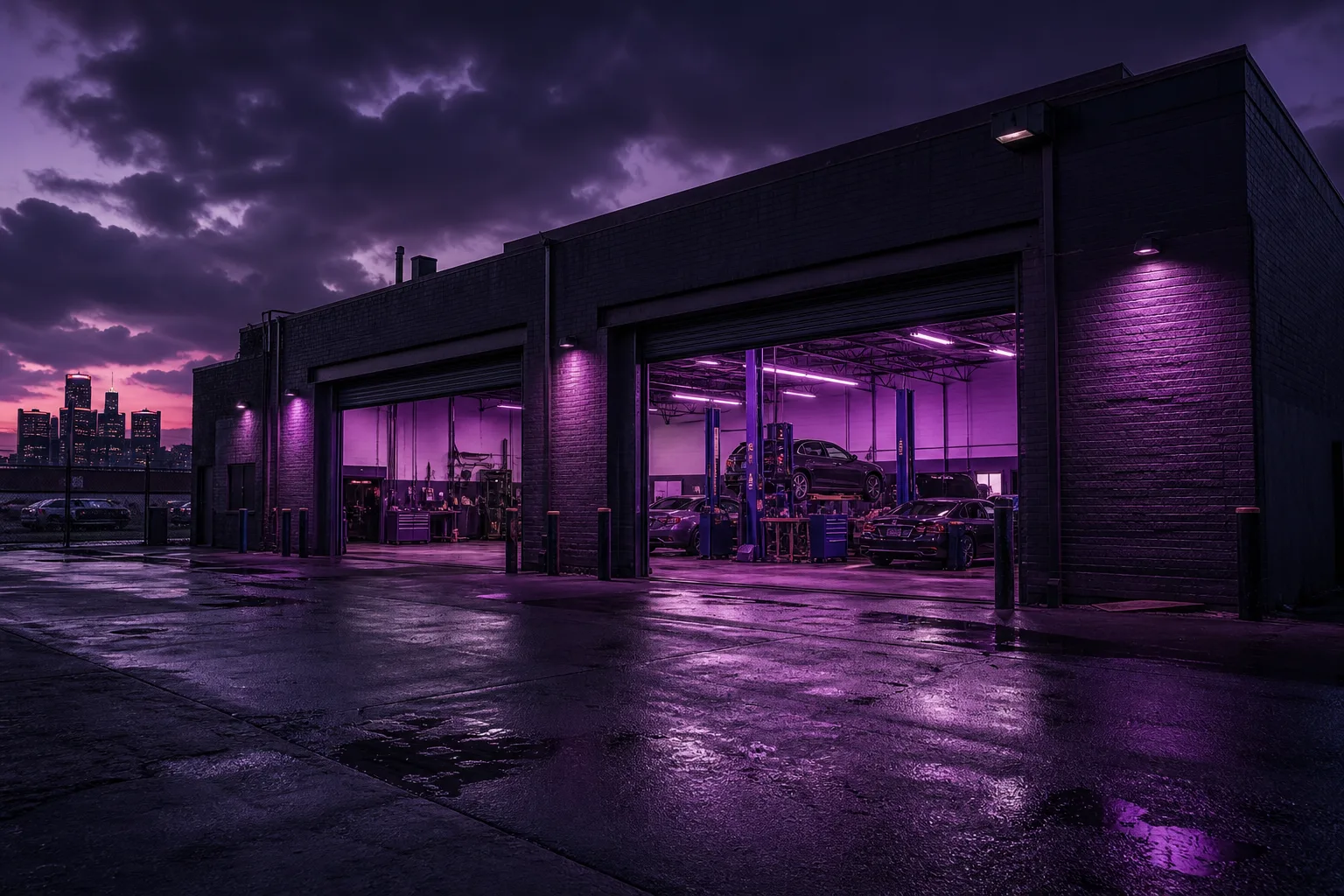
The workshop opened its doors after its founders spent years watching vehicles leave generic repair shops with unresolved brake inconsistencies, misaligned steering components, and lighting faults that went undocumented. Too often, drivers received verbal assurances instead of verified results — and that gap between promise and proof became the reason paleontolog exists today.
Our first location on East Jefferson Avenue was chosen deliberately. Detroit's mix of commercial fleets, daily commuters, and long-haul drivers created a real-world testing ground for the kind of safety-first repair model we wanted to prove. Early clients were primarily fleet operators who needed written clearance before putting vehicles back on the road — a demand that shaped our documentation standards from day one.
What began as brake-focused diagnostics expanded naturally into electrical systems, chassis work, and advanced driver-assistance calibration. Each new capability was added only when we could verify outcomes with the same rigor we applied to our original brake inspection protocol.
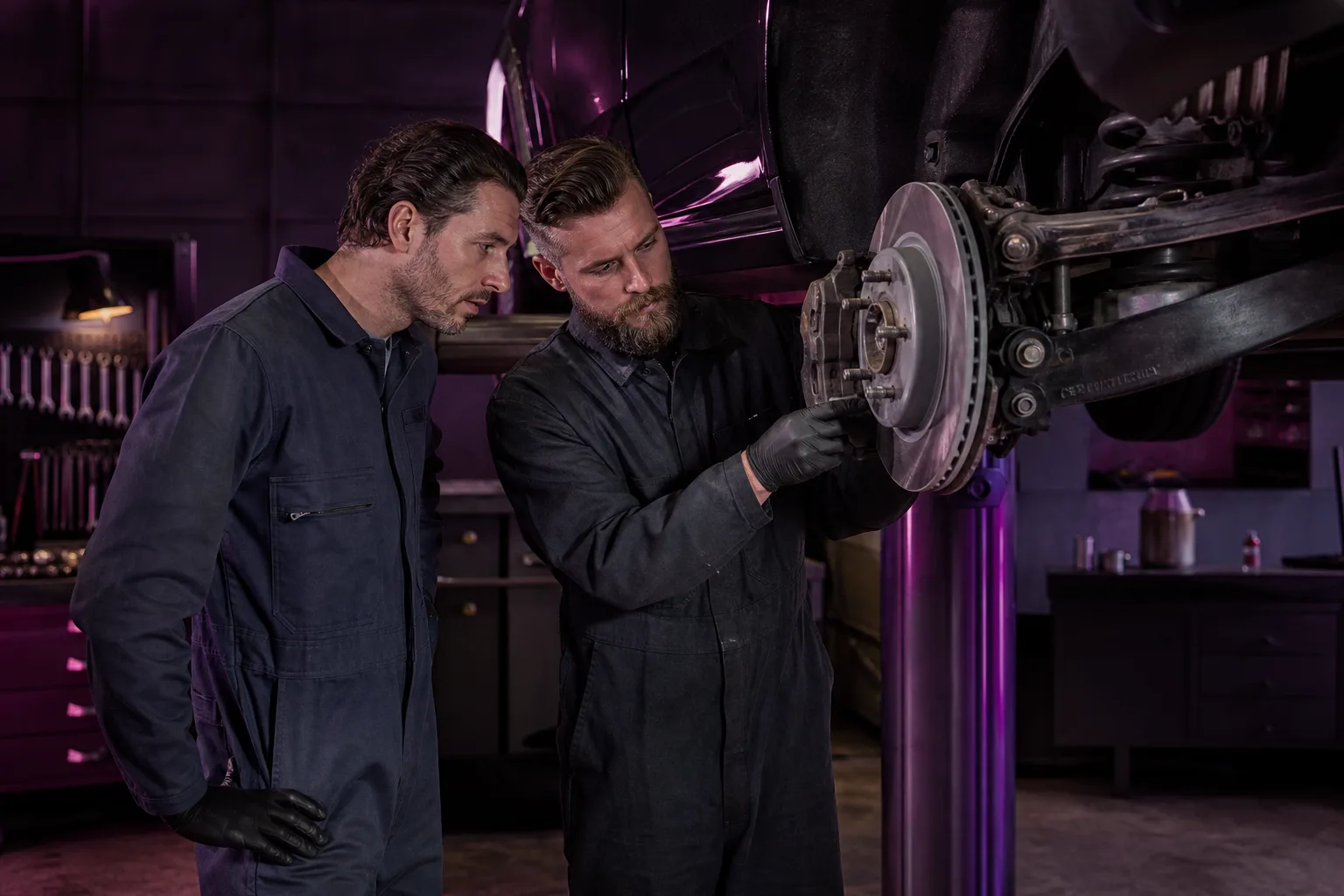
These are not marketing slogans — they are operational rules that every technician follows before a vehicle is cleared for release.
No estimate becomes a commitment until diagnostic data supports it. Scanners, pressure gauges, and physical measurements come before any conversation about timelines or parts. We would rather delay a handover by hours than release a vehicle with an unconfirmed fault.
Findings are recorded in structured reports that accompany every major service. Clients receive clear descriptions of what was inspected, what failed, what was repaired, and what was confirmed operational at the time of release. Transparency is not optional — it is part of the deliverable.
General repair shops spread attention across dozens of tasks. We concentrate depth in areas where failure has immediate consequences: braking, steering, suspension, lighting, and the electronic systems that support modern driver-assistance features. Depth in these domains produces better outcomes than breadth without focus.
Safety issues do not follow business hours. Operating around the clock means a fleet manager with a brake warning light at midnight gets the same diagnostic attention as a commuter who arrives on a Saturday morning. Availability is a safety feature, not a convenience extra.
Our facility is organized around diagnostic accuracy and safe vehicle handling — not speed for its own sake.
Each bay supports passenger vehicles and light commercial platforms with calibrated lift points verified against manufacturer specifications. Proper lifting is the first step in accurate undercarriage inspection.
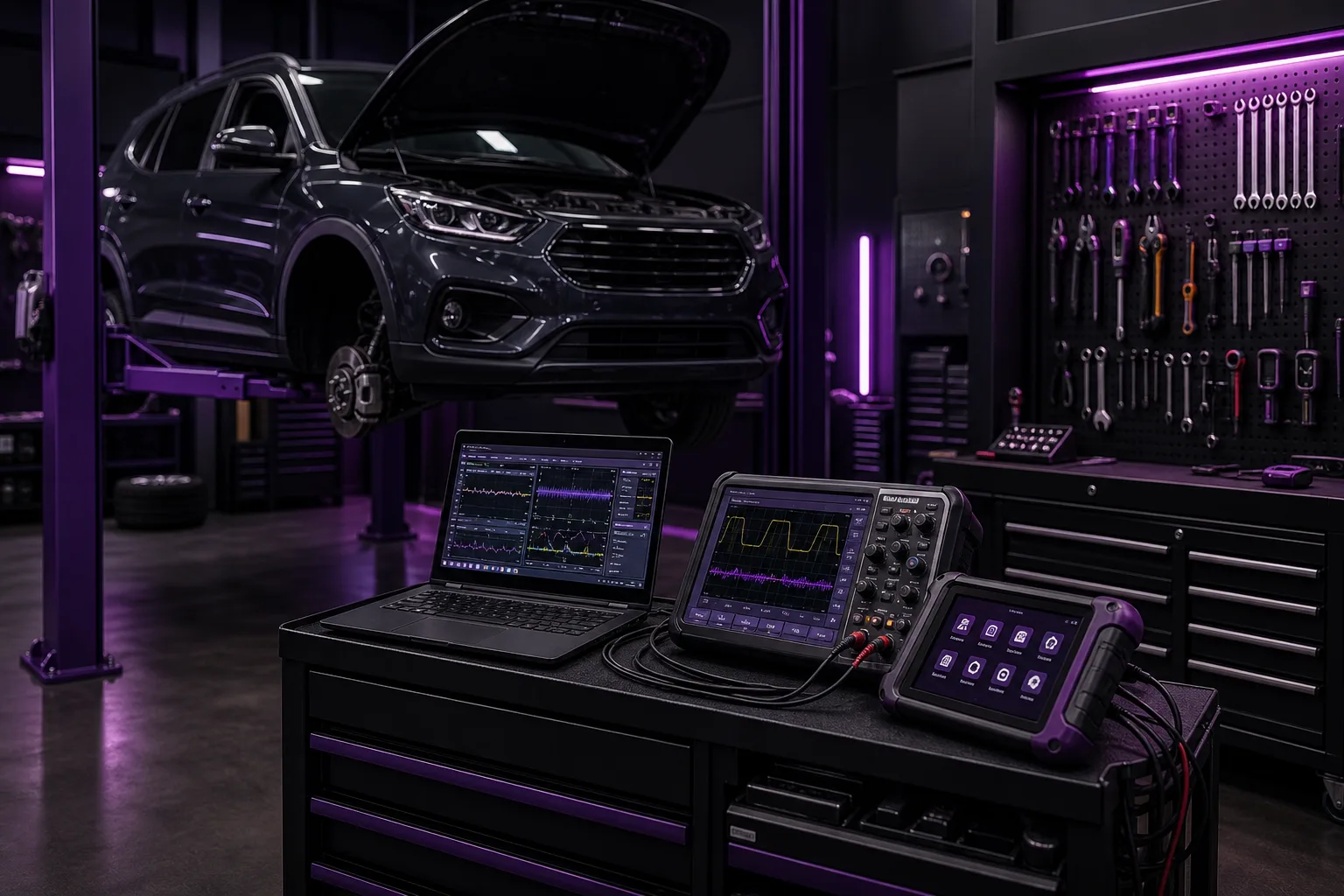
Shielded from workshop noise and vibration, this space houses oscilloscopes, LIN bus analyzers, and battery charging simulators used for isolating intermittent electrical faults that standard code readers miss.
A dedicated area for measuring pedal force, vacuum assist pressure, and stopping distance trends on vehicles showing brake performance degradation — especially diesel platforms with vacuum pump dependencies.
Sensitive electronic modules and rubber suspension components are stored under controlled humidity to prevent premature degradation before installation — a detail that affects long-term repair reliability.
An marked lane with precise target positioning for camera and radar recalibration after windshield replacement, suspension work, or front-end collision repair affecting lane-keeping systems.
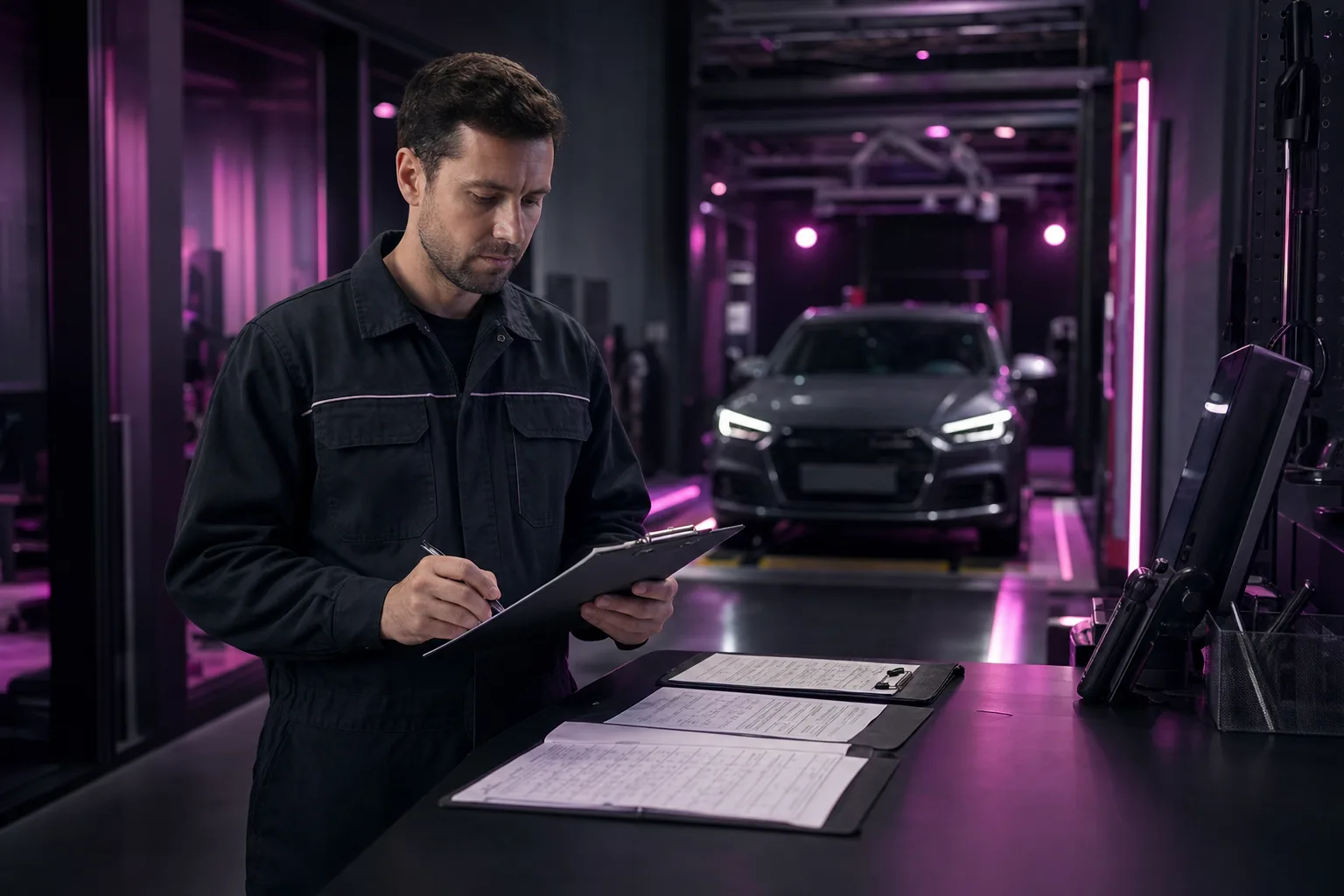
Every cleared vehicle passes through a final review station where checklist results are compiled into the written safety assessment provided to the client before keys are returned.
Quality repair depends on reliable parts, accurate technical data, and access to current diagnostic protocols. paleontolog maintains active relationships with regional suppliers and technical networks that keep our workshop aligned with evolving vehicle platforms.
Our collaboration with the Midwest Automotive Parts Alliance ensures OEM-compatible components reach our bays within hours, not days. Through the Great Lakes Diagnostic Network, our technicians access shared fault libraries and platform-specific repair bulletins that reduce guesswork on uncommon failures.
A repair that is not recorded is a repair that cannot be verified. At paleontolog, documentation is treated as part of the service — not paperwork added afterward. Every safety-critical job produces a structured report covering pre-repair findings, parts replaced, test results, and post-repair confirmation readings.
For fleet operators, this means audit-ready records for every vehicle in the rotation. For individual drivers, it means a clear history of what was done and why — valuable when selling a vehicle, filing an insurance claim, or planning future maintenance intervals.
Our safety assessment certificate summarizes the operational status of brakes, steering, suspension, and lighting at the moment of release. It is not a guarantee against future failure — it is a verified snapshot of condition at a specific point in time, signed by the technician who performed the final check.
“A driver should never have to wonder what was actually done to their car. Our job is to make the answer obvious, written, and verifiable.”
Whether you need a safety inspection, a second opinion on a repair estimate, or details about our clearance documentation, our team is ready to help at any hour.
Contact UsRead in-depth guides written by our technicians on brake diagnostics, electrical faults, ADAS calibration, and post-repair safety verification.
The information presented on this website is intended to help you understand the services offered by paleontolog and the general principles of vehicle safety maintenance. Content on these pages describes our workshop capabilities, inspection procedures, and the types of repairs we perform — it is not a substitute for a professional evaluation of your specific vehicle.
paleontolog provides consultation and repair services in the field of automotive safety systems. Any maintenance decisions should be made after a direct assessment by a qualified technician who can inspect your vehicle in person. We recommend consulting with our team or another certified specialist before undertaking repairs that affect braking, steering, or other safety-critical components.
While we apply documented procedures and industry-standard diagnostic methods, individual results may vary depending on vehicle condition, age, prior maintenance history, and driving environment. paleontolog does not accept responsibility for decisions made by vehicle owners based solely on general information found on this website without a corresponding in-shop inspection.
Repair timelines, parts availability, and service outcomes depend on factors outside our direct control. Written safety assessments issued by paleontolog reflect the condition of inspected systems at the time of service and should be reviewed alongside your vehicle's ongoing maintenance schedule.