After significant repairs at paleontolog, drivers receive a post-repair safety certificate summarizing the verification work performed before the vehicle is cleared for road use. Many owners file the document without reading it closely — then wonder later what was actually confirmed. This guide walks through each section so you know precisely what the certificate represents.
Header and Vehicle Identification
The top of the certificate identifies the vehicle by VIN, license plate where applicable, odometer reading at time of service, and the date verification was completed. This block ties the document to a specific inspection event — not a general warranty or open-ended clearance.
Keep this section with your service records. If questions arise about work performed on a particular date, the header provides the reference point for our workshop logs and technician notes.
Systems Tested Section
The core of the certificate lists each safety-critical system evaluated during post-repair verification. Depending on the repair scope, this may include:
- Service brake performance and pedal feel assessment
- Parking brake hold capacity on grade simulation
- Steering response and alignment within specification
- Suspension component integrity and ride height
- Exterior lighting function and aim where applicable
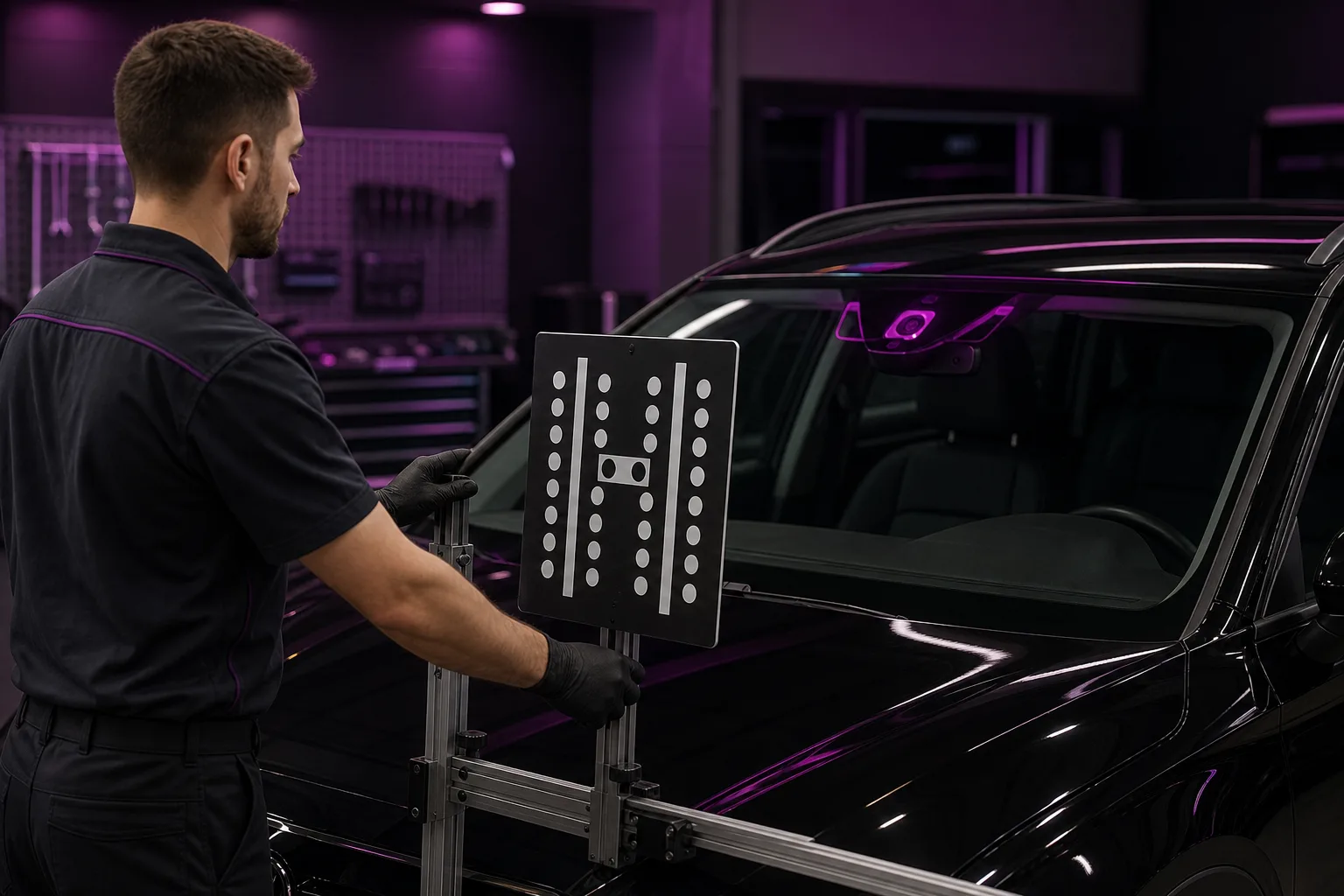
- ADAS status confirmation after calibration-related work
Only systems relevant to the completed repair and our standard clearance protocol appear on your certificate. A brake job clearance will not list unrelated systems unless they were specifically inspected.
Recorded Readings and Measurements
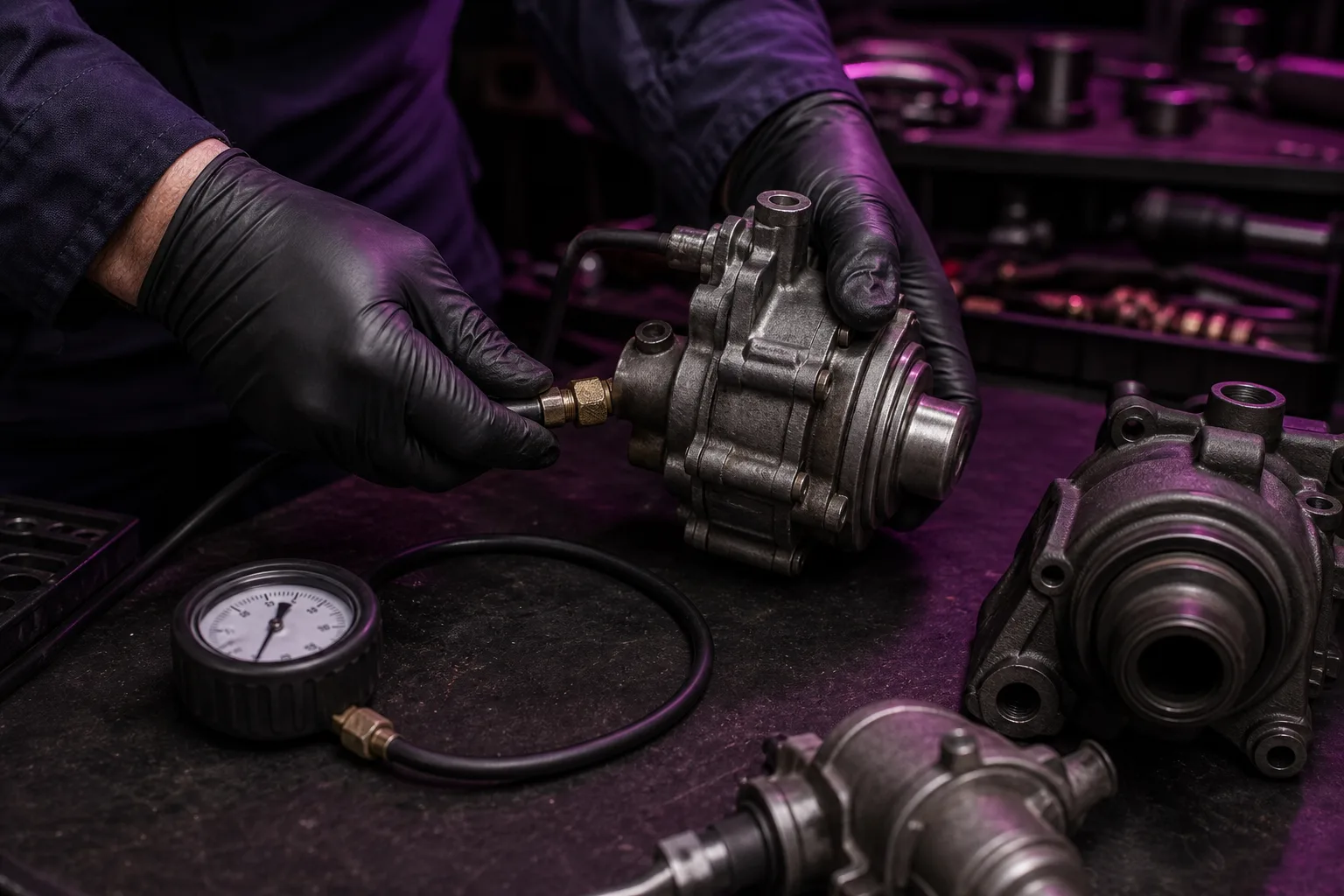
Where quantitative testing applies, the certificate includes measured values — brake pedal effort, stopping distance benchmarks, wheel alignment angles, or charging voltage under load. These readings reflect conditions at the moment of testing, not a guarantee of future performance.
Technicians record values against manufacturer tolerance ranges. Readings outside specification would prevent clearance until corrective action is taken. Passing readings indicate the system met defined criteria on the test date.
Technician Certification and Signature
Each certificate includes the verifying technician's name and credential reference. At paleontolog, clearance requires sign-off from a technician authorized to perform safety verification on the systems listed. This accountability layer ensures the document represents a deliberate professional assessment, not an automatic printout generated at checkout.
What the Certificate Does Not Cover
Understanding limitations is as important as understanding scope. The post-repair safety certificate does not:
- Replace ongoing maintenance schedules or manufacturer service intervals
- Certify systems unrelated to the completed repair unless explicitly listed
- Guarantee future component life or wear rates
- Constitute a state inspection or regulatory compliance document unless separately noted
- Cover damage or failures occurring after the vehicle leaves the workshop
Normal wear, environmental exposure, and driving conditions can change system performance after clearance. The certificate confirms verification at a point in time.
How to Use the Document
Store the certificate with your vehicle records alongside the repair invoice. If you operate a fleet, attach it to the unit's maintenance file for audit purposes. When selling the vehicle, the certificate demonstrates that safety-critical work was verified by a qualified workshop.
If you notice symptoms related to systems listed on the certificate shortly after service, contact us immediately. Early follow-up allows us to distinguish between unrelated developing faults and items that may need re-evaluation under our service standards.